
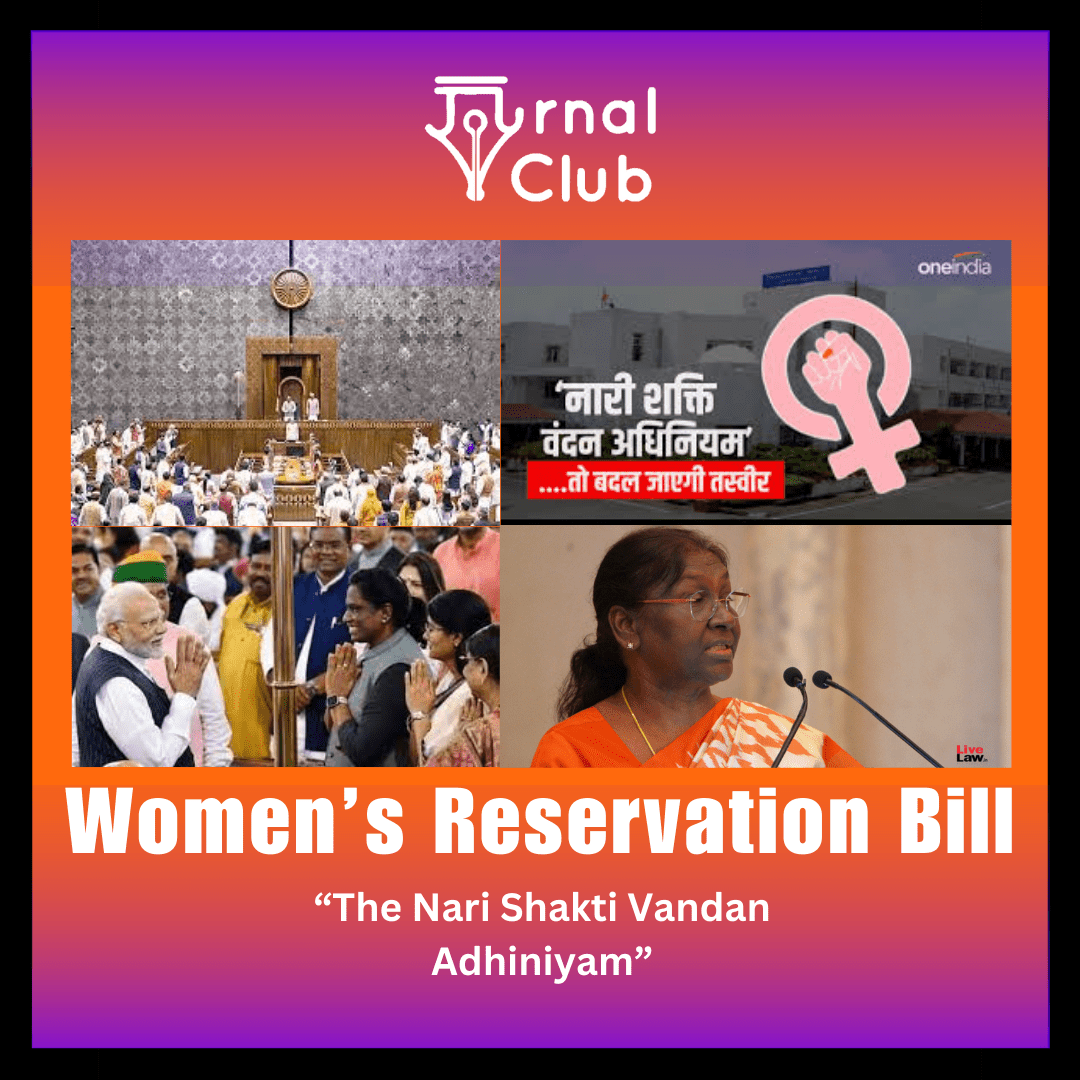
On September 29, a historic moment unfolded in India’s political landscape as President Droupadi Murmu granted her assent to the Women’s Reservation Bill. This landmark legislation, officially known as the Nari Shakti Vandan Adhiniyam, aims to reserve one-third of the seats in the Lok Sabha and all state assemblies for women. The bill had already received resounding support in both Houses of Parliament, passing with an overwhelming majority. Despite this momentous achievement, questions loom regarding the bill’s implementation timeline, with debates on its efficacy and inclusivity still at the forefront.
The Women’s Reservation Bill’s journey through the hallowed halls of Parliament was nothing short of historic. On September 20, the bill secured an impressive mandate in the Lok Sabha, with 454 MPs voting in favour and only two against it. This overwhelming support signified a consensus on increased female representation in India’s political landscape. Subsequently, the bill was passed unanimously in the Rajya Sabha on September 21, with 214 MPs voting in favour, further cementing its significance.
The proposed legislation defines the 33% women reservation to continue for 15 years. Additionally, it mandates that a quota for individuals belonging to the Scheduled Castes and Scheduled Tribes be established within the reserved seats designated for women in Parliament and Legislative assembly. This progressive approach ensures that women from marginalised backgrounds can participate in the political process. The bill promises to create a more inclusive and diverse political landscape if fully realised.
While the bill has received Presidential assent and the backing of Parliament, it faces a significant roadblock in implementation. The government has stated that the law will come into force on a date determined by the Central Government through notification in the Official Gazette. However, the implementation timeline is contingent on completing the census and delimitation processes, which could delay the bill’s full effect until after 2029.
While the Women’s Reservation Bill enjoys broad bipartisan support, the opposition has raised concerns about its implementation timeline and inclusivity. During discussions in Parliament, Union Home Minister Amit Shah acknowledged the delay caused by the census and delimitation processes and noted that the bill might only come into effect after 2029. He also responded to criticisms about the absence of OBC and Muslim reservations, challenging the opposition to support the bill and emphasising the need for a starting point.
Congress leader Mallikarjun Kharge voiced scepticism about the bill, labelling it a ‘jumla’ of the ruling BJP, as it is expected to take effect only in 2034. Kharge expressed concerns that the BJP might not fulfil its promises and accused them of making commitments to secure votes only to forget them later.
The Women’s Reservation Bill represents a historic milestone in India’s ongoing journey towards gender equality and political representation. Its passage through both Houses of Parliament with overwhelming support underscores the importance of empowering women in politics. However, the bill’s delayed implementation, contingent on the census and delimitation processes, has prompted concerns and criticisms from the opposition. Despite these challenges, the bill’s potential to increase female representation, particularly for marginalised communities, cannot be understated. As India progresses towards a more inclusive and equitable political landscape, the Women’s Reservation Bill stands as a symbol of hope and progress in the fight for gender equality.
 The Journal Club
Leave a comment