
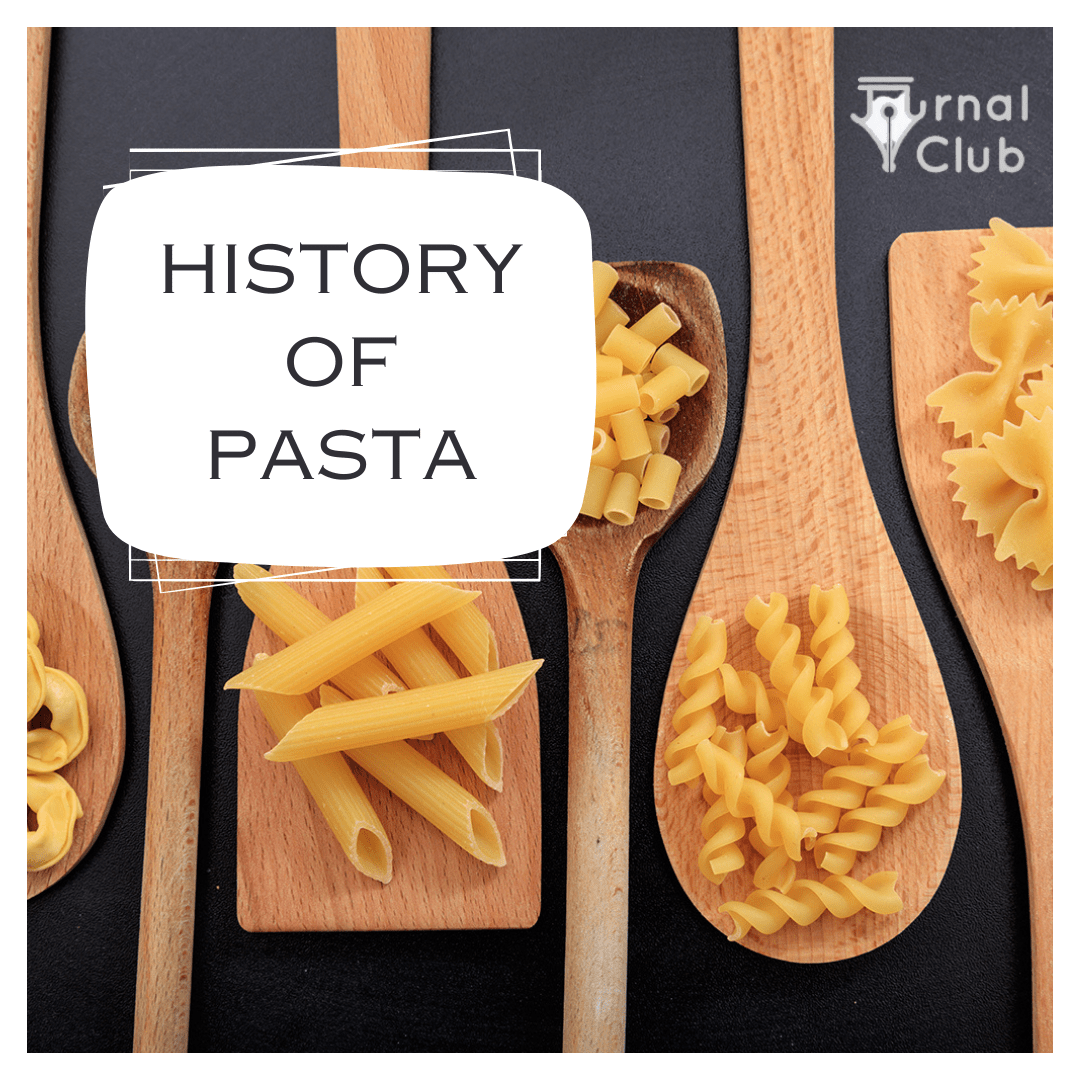
Pasta, the timeless and beloved comfort food, has carved a permanent niche in our culinary affections, whether dressed in the simplicity of white, the robustness of red, or the allure of pink sauce. From the symphony of shapes like penne, fusilli, Spaghetti, Pappardelle, and macaroni to the whimsical dance of Farfalle, this culinary marvel has gracefully emerged from the heart of Italy, enchanting taste buds worldwide. So, fasten your seat belts and get ready for a delicious ride into the mouthwatering history of pasta.
The roots of pasta in Italy stretch back to the 13th century, with echoes of its origins resonating as far back as the 1st century in the writings of Horace. Lagana, those delicate sheets of fried dough, once graced everyday tables, while the 5th century ushered in a culinary revolution with layers of dough and savory meat, foreshadowing the birth of the iconic lasagna. Yet, the saga takes an intriguing turn with the tale of Marco Polo supposedly importing pasta from China, a narrative that some skeptics believe to be a noodle myth fabricated in the 20th century. Theories of Moorish influence in Sicily during the 9th century and traces of pasta in ancient Greece add layers of mystery and history. Historical twists and turns suggest that pasta likely took root in Italy due to extensive Mediterranean trade during the Middle Ages. The culinary plot thickens in the late 18th century with the debut of tomato sauces in pasta dishes, as chronicled in the 1790 cookbook “L’Apicio Moderno” by Roman chef Francesco Leonardi.
The art of pasta-making and culinary devotion have evolved since its inception. Stepping into the 21st century, Italy’s love affair with pasta soared to new heights, with Italians estimated to consume a staggering 27 kg per person annually, overshadowing Americans at a modest 9 kg per person. Pasta’s popularity in Italy even surpasses the country’s average wheat production, necessitating frequent wheat imports. As an engineering enthusiast, I can’t resist injecting a touch of science into our pasta adventure. Did you know that pasta exhibits a random molecular order rather than a crystalline structure? With a moisture content of around 12%, dried pasta remains a brittle solid until cooked, transforming into a softer, more flexible, and chewy delight.
As pasta embarked on its global journey, it gracefully assimilated into various cuisines, each imparting a unique twist to its preparation. In Germany and Hungary, there’s the delightful spaetzle; Greece boasts the petite orzo; Poland revels in pocket-like pierogi; and Ashkenazi Jewish families craft the delectable kreplach dumplings. Across the Atlantic in America, pasta is prepared and served with a touch of all-American flair, most notably in the iconic form of spaghetti and meatballs.
And so, dear readers, we conclude our pasta pilgrimage, inviting you to savor every twist, turn, and delightful fact along the way. As you indulge in your next pasta dish, let the flavors transport you to a culinary wonderland, where each forkful is a celebration of pasta’s rich and varied history. Bon appétit, and may your pasta adventures continue to be as enchanting as this journey!
 The Journal Club
Leave a comment